Live and Learn

Here we discuss the records we think we got, uh, wrong.

It’s not really a problem for us though. We feel no need to cover up our mistakes. Recognizing and correcting previous errors is how we’ve managed to learn so much about records that no one else seems to know.

Gaining knowledge — in any field, not just record collecting or music reproduction — is always slow, incremental and riddled with errors and bad judgments.

A common misperception among those visiting the site is that we think we know it all. Nothing could be further from the truth. We learn something new about records with practically every shootout.

By playing the records grouped here, under rigorously controlled conditions, on top quality equipment, we found out just how much better or worse they are than are we thought.

It Took Us More than Twenty Years to Figure Out What Was the Problem

Hot Stamper Pressings of the Music of Neil Young Available Now

Years ago — precisely how many we can’t really say, the old listings for those records have been deleted — we thought the original pressings in the nameless cover you see pictured had the best sound.

We thought the pressings that came in this early cover were the ones that were made from the original mix, the mix that Neil later disowned. (More on that below.)

We had played a number of copies that came in the original cover, and they sounded better to us than the others we had auditioned.

Our mistake was not understanding that pressings made with the first mix and pressings made with the second mix both came in the early cover, and both were pressed on the Reprise Two Tone label.

Here is what we wrote some years ago:

It turns out the remixed pressings we’d been selling for years were not the way to hear this album at its best. Neil wanted his voice to sound clearer and more present than the first mix, but the approach the engineers took to increase the clarity and presence was simply to boost the middle and upper midrange, a boost that seriously compromises the wonderful Tubey Magic found in the rich lower midrange of the original mix.

Neil may have liked the sound of his voice better on the new mix, played back on whatever mediocre-at-best stereo he was using at the time, but we here at Better Records are of a decidedly different opinion. On a modern, highly-resolving system Neil’s voice will not sound the least bit “buried” on the original mix, not on the better pressings anyway. Of course, the better ones are the only ones we sell.

If you want to hear this album sound right, we strongly believe that the original mix is the only way to go. And if you want to hear this album sound really right, better-than-you-ever-thought-possible right, you need a copy that was mastered, pressed and cleaned properly, and that means a Hot Stamper from Better Records.

It turns out the stampers for the pressings we like are the ones made from the remixed tapes.

(more…)

We Used to Blame CCR’s Records for the Bad Sound We Heard Too

Hot Stamper Pressings of the Music of Creedence Clearwater Revival Available Now

Another entry that falls under the heading of

What’s the big idea?

Before 2008 or so we had regularly been frustrated with the sound of this band’s recordings. There were plenty of  customers for their albums, but even our best Hot Stampers fell well short of the standards we set for high quality sound by other artists.

We assumed the recordings were at fault.

Things started to turn around after that, judging from this bit of boilerplate at the bottom of a listing for Green River from around 2010 or so:

Many copies were gritty, some were congested in the louder sections, some never got big, some were thin and lacking the lovely analog richness of the best — we heard plenty of copies whose faults were obvious when played against two top sides such as these.

The best copies no longer to seem to have the problems we used to hear all the time.

Of course the reason I hadn’t heard the congestion and grittiness in the recording is that two things changed. (1) We found better copies of the record to play — probably, can’t say for sure, but let’s assume we did — and (2) we’ve made lots of improvements to the stereo since the last time we did the shootout.

You have to get around to doing regular shootouts for any given record in order to find out how far you’ve come, or if you’ve come any distance at all. Fortunately for us the improvements, regardless of what they might comprise or when they might have occurred, were incontrovertible. The album was now playing at a much, much higher level.

It’s yet more evidence supporting the possibility, indeed the importance, of taking full advantage of the revolutions in audio of the last ten or twenty years. [Make that thirty by now.]

Live and Learn

When Creedence’s records started to sound good, we stopped blaming those albums for being badly recorded.

It’s amazing how many records that used to sound bad — or least problematical — now sound pretty darn good. 

Every one of them is proof that comments about recordings are of limited value.

The recordings don’t change. Our ability — and yours — to find, clean and play the pressings made from them does, and that’s what Hot Stampers are all about.

(more…)

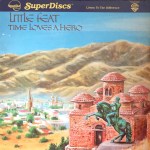
Time Loves a Hero May Be Transparent in the Midrange, But So What?

Hot Stamper Pressings of the Music of Little Feat Available Now

Sonic Grade: D

After playing a killer Hot Stamper pressing of the album many years ago, we wrote the following: 

If you own the Nautilus Half-Speed, a record we actually liked years ago even after we had forsworn those kinds of pressings, you are really in for a treat. THIS is what the band sounds like in the REAL world, not the phony audiophile world that so many of our fellow hobbyists appear to be perfectly happy living in.

Just listen to how punchy the drums are on the real pressings, a perfect example of what proper mastering does well and Half-Speed mastering does poorly.

When you listen to a top quality pressing, you feel that you are hearing this music EXACTLY the way Little Feat wanted it to be heard. I just don’t get that vibe from the Half-Speed.

I was fooled back in the day myself. The one thing these pressings have going for them is that they tend to be transparent in the midrange.

It sounds like someone messed with the sound, and of course someone did. That’s how they get those audiophile records to sound the way they do.

For some reason, some audiophiles like their records to sound pretty and lifeless with sloppy bass.

That is not our sound here at Better Records. We don’t offer records with those qualities and we don’t think audiophiles should have to put up with sound like that.


Further Reading on the subject of Half-Speed mastering

(more…)

Letter of the Week – “The harmony vocals on “Uncle John’s Band” are so much clearer, sounding like three distinct voices…”

Hot Stamper Pressings of the Music of The Grateful Dead Available Now

[This is a letter from many years ago, probably close to fifteen. It is very unlikely that any copy on the Burbank label would win a shootout now. We have made a great deal of audio progress in the years since we sold the reissue copy we discuss below. Some advice on helping you to do the same can be found here.]

Hey Tom, 

I was extremely surprised when I received my WD Hot Stamper. I was expecting an olive (green) Warner Brothers original (I have one) – and this one is the “floral” later label. I’ve read your comments long enough to know it’s the sound, not the label, which dictates quality. Was quite surprised either way! But I shouldn’t have been….

And what a lovely sound! The harmony vocals on “Uncle John’s Band” are so much clearer, sounding like three distinct voices (my peasant original was dark and gritty in comparison); being able to actually hear Micky’s rhythmic contributions to the track, it sounds like a full band, really grooving and live.

The pedal steel on “Dire Wolf”! I could go on and on.

Anyway, great stuff, liked it so much had to write a letter!

Kyle

Kyle,

The person who listened to your copy did not know what label it had. It got the proper sonic grade because no bias could enter into the proceedings, and that is the revolutionary approach we developed for judging records.

But there is nothing revolutionary about it. Scientists have been using blind testing for more than a hundred years!

All we did was incorporate good testing protocols into our record shootouts, and voila, you have Hot Stampers that really are hot and Better Records that really are better.

(more…)

Letter of the Week – “I am still amazed by the negativity I read sometimes about your records and prices…”

Hot Stamper Pressings of the Music of Stevie Wonder Available Now

One of our good customers had this to say about some Hot Stampers he purchased recently:

Hey Tom,   

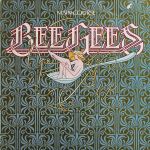
I also offer my humble apologies for ordering one LP at a time, it started with that (insanely good by the way) 4-star pressing of my wife’s favorite Stevie Wonder record, then, I have been waiting for a solid B-52 pressing for years now, so I had to grab it and just today, I noticed the Bee Gees… just glad nobody snatched it before me, seriously, this is the HARDEST Bee Gees record to get in any condition at all !!

I am still amazed by the negativity I read sometimes about your records and prices… we talked about it before but, for god’s sake, nobody is forced to buy anything. Plus, you have very fair prices for hot stampers that are great pressings of the best records, if the luxury items are not your cup of tea.

Still keeping my eyes open for a 4-star (or maybe 5 stars 😉 Hunky Dory one day. Would not mind a similar grade for a copy of Southern Accent too !!

Cheers,
David

My reply to David, in part:

The lack of curiosity on the part of the audiophile community is really something, but who am I to complain? I held many of the same mistaken ideas about Heavy Vinyl up until about 2000, so let’s be fair and give the audiophile community another twenty years and hope they catch on the way we and our customers have.

(There were so many records I used to like that don’t sound especially good to me now that I felt I needed to come clean about them, so I created a special link to them on the blog. Click here to read more.)

Pardon my cynicism, but we doubt that much of the audiophile community is likely to catch on.

We had to work very hard for more than twenty years to get to where we are now.

Most audiophiles don’t seem very interested in doing that kind of work.

It takes time, effort and discipline to create, tweak and tune a system to be both revealing and accurate.

When it gets to be resolving and accurate enough, such a system can reveal how lacking the modern remastered LP really is.

(more…)

After 40 Years, Waiting for the Sun Comes Full Circle

Hot Stamper Pressings of the Music of The Doors Available Now

This commentary was written in 2008, shortly after playing an amazingly magical Gold Label pressing in a shootout.

My favorite of the first three Doors album, Waiting for the Sun is imbued with more mystery and lyricism than previous efforts. The album shows them maturing as a band, smoking large amounts of pot and preparing for the wild ride of their next opus, the ambitious, controversial The Soft Parade.

Actually, as I listen to this album, it reminds me more and more of that one. Now that it sounds as good as The Soft Parade, I find I’ve gained a new respect for Waiting.

More to Come

I started playing these albums in high school on my 8-track tape player. My older stepbrother had the records and I probably played those too.

When I seriously got into audio sometime in the ’70s, I tried every kind of record I could get my hands on — Brits, Germans, Japanese, originals, reissues — but no matter what I did, I couldn’t find good sounding pressings of their albums. Everything I played sounded terrible and I just assumed the band, like so many other ’60s artists, had been poorly recorded.

Then in the early 80s, the MoFi pressing of the first album came out. It sounded amazing to me at the time.

Ten or so years later the DCC pressing on Heavy Vinyl came along and showed me how wrong I — and it — were.

Now we’ve come full circle — back to the right originals. (The operative word there is “right”; some early stampers are terrible. We know, we’ve played them.)

With better cleaning technologies and much better playback equipment, the tables have turned.

(more…)

In 2016 We Had to Raise the Bar for Wings at the Speed of Sound

Hot Stamper Pressings of the Music of Paul McCartney Available Now

Okay, we’re not too proud to admit it.

We was wrong about Wings at the Speed of Sound as a recording.

Yes, that kind of thing happens when you regularly play thousands and thousands of records year after year.

The right pressing can show you that your understanding of a given recording is, shall we say, incomplete.

The great thing about our business is that, whenever we have new data that serves to correct a past mistaken judgment, the result is that we are then able to offer even better sounding pressings to our customers.

That way everybody wins. We’ve never pretended to know it all, and there’s no reason for us to start now.

Back to Wings at the Speed of Sound. Previously we had written:

I can’t even begin to convey to you what a rough shootout this was. Copy after copy bored us to tears and most of them were too noisy. It was one of those shootouts that almost defeated us, but we persevered and managed to find a few Hot Stampers. They didn’t do miracles and turn Speed Of Sound into a stunning Demo Disc, but they sounded musical, correct and enjoyable, and that seems to be all you can ask for on this album. 

This is not true.

We played a copy that earned our very special grade of Four Pluses (on one side, two sides would have been too much to ask for) because it showed us an At the Speed of Sound that we had no idea could possibly exist, this after having played dozens of imports and domestic pressings over the previous twenty years or so.

It was DRAMATICALLY bigger and more transparent, with no sacrifice in richness or smoothness.

Here was a very different Wings at the Speed of Sound. Why did it take us so long to find it?

We had never managed to clean and play a copy with the right stampers that could show us the brilliance of the sound that must be on the master tape. We needed to do more research and development, which of course we are in the habit of doing regularly with Classic Rock records, our bread and butter and the heart of our business.

Before we did this shootout, we had no idea how high to set the bar. Which leads us to:

This Key Takeaway 

In that respect we were in exactly the same place as every record loving audiophile on the face of the Earth.

How good can the record sound? How high is up?

We discussed this all-too-common mystery [1] in a listing we wrote for an amazing sounding copy of Heart’s Little Queen album we discovered many years ago, linked here.

In our old listing, we noted: Now that we know what stampers to look for, future pressings are likely to be very, very good sounding, if everything goes the way we hope it will.

[Things did go our way, with plenty of Shootout Winning White Hot copies having been found since we made that breakthrough all the way back in 2016. The right stampers are about five times more rare than the wrong ones, but they can be found. You just have to know what to look for.] 

(more…)

Art Pepper Today – Latest Findings

Hot Stamper Pressings of the Music of Art Pepper Available Now

UPDATE 2024

In 2010 we wrote a commentary about the album which can be found here.

It’s a long story that goes into great detail comparing the sound of the original Galaxy pressings with those of the much more common OJC’s.

Fourteen years later (!) and here we are, finally getting to the point where we have enough copies of Art Pepper Today to do a proper shootout.

Since this is a title we have not played in a very long time, we took the opportunity to give a quick listen to both kinds of pressings just to make sure that both could be expected to do well enough to be included in the shootout.


The OJCs Fall Short in a Different Way

Well, it turns out that the OJC pressings are no longer cutting it. That’s money down the drain.

It seems to be the case that they are dark and hard sounding compared to the Galaxy pressings.

This is a bit surprising because most of the OJC pressings that we don’t like are thin and bright, not dark and hard.

That’s not the way OJC’s typically sound, but in the world of records, when has that ever counted for anything?

Patterns are helpful up to a point, but on this album, the patterns we see across the label have broken down, which is why our business is built upon a foundation of playing every record we sell and judging it strictly on its own merits.

There are just too many exceptions to whatever patterns we may think we have detected.

(more…)

We Were Way Off the Mark with this Rodrigo Recording in 2010

More of the music of Joaquín Rodrigo (1901-1999)

In 2010 we did a shootout for this title and thought we had found a good one. We wrote:

A good side one backed with a lovely side two! We shot out a stack of these recently and side two of this copy was one of the few sides that really impressed us. The sound is transparent and full of energy. Side one is pretty good but a bit crude in the louder passages.

This is a wonderful record. The performance here by the first family of guitar is legendary. More importantly, the music is delightful and belongs in any serious classical collection.

RFR-1 stampers. What the best originals like this one give you is immediacy. The attack of the guitar is more real.

Comparing this with the Golden Import shows you that some of the transients are smoothed over on that pressing.

If you’ve got the front end that can deal with the Mercury upper midrange and transient attack, the strings will sound textured and clear, not harsh or shrill. (A badly mastered version of this record would make your ears bleed.)

More importantly, this copy captures the sounds of the guitars perfectly. I doubt if anybody could do it as well as Mercury.

Recently we did the shootout again and came up with very different findings:

Now those same stampers are tubey and weighty, but the strings are too hot (bright and shrill) and flat (lacking richness).

We can sum up the sound of these stampers — on a different copy of course, something to keep in mind — in one word:

Ouch.

Please allow us to help you avoid making the same mistakes we did:

  • More records with bright sound can be found here
  • More records with flat sound can be found here

What’s So Golden About These Imports Anyway?

And by the way, we would never even bother to reserve the studio time to play a Golden Import pressing these days. I can count on one hand the titles that actually sound good to me and it’s just not worth the labor to find the one out of fifty that has hi-fidelity sound as we currently define it.

This commentary gets at our disappointed feelings about the label.

(more…)

In 2014, This Was the Best Sounding Tom Petty Record We’d Ever Played

Hot Stamper Pressings of the Music of Tom Petty Available Now

UPDATE 2026

This commentary was written in 2014 after having played (and finally been able to reproduce) a killer copy of Damn the Torpedoes.


Damn the Torpedoes is the best sounding Tom Petty album we have ever played.

Credit must go to Shelly Yakus, someone who we freely admit, now with a sense of embarrassment, has never been one of our favorite engineers.

After hearing this beyond-White Hot Stamper side two and a killer copy of Animal Notes, we realized we’d seriously underestimated the man, and for that we can only apologize.

If your Damn the Torpedoes doesn’t sound good (and it probably doesn’t), you sure can’t blame him — the master tape is mind-boggling in its size, weight, power and rock n’ roll energy.

Our 2014 better than White Hot Stamper copy had the kind of sound we never expected to hear on Damn The Torpedoes, an album that’s typically bright, thin, pinched and transistory — radio friendly but not especially audiophile friendly.

Well folks, all that’s changed, and by “all” I don’t necessarily mean all to include the records themselves. This may very well be a record that sounded gritty and pinched before it was cleaned. And our stereo has come a long way in the last five or ten years, as I hope yours has too.

One sign that you’re making progress in this hobby is that at least some of the records you’ve played recently, records that had never sounded especially good to you before, are now sounding very good indeed.

In our case Damn the Torpedoes is one of those records. It’s the best sounding Tom Petty album we have ever played.

We wrote about another famous rock album that somehow got a whole lot better sounding here. An excerpt:

(more…)