Bernie Grundman, Engineer (Modern)

Reviews and commentaries for records Bernie Grundman cut in the modern era, mostly on Heavy Vinyl.

Can’t Buy Much of a Thrill – Now with Notes!

Hot Stamper Pressings of the Music of Steely Dan Available Now

At least some of the thrills are here, and for any record on Chad’s label, that is really saying something.

Sonic Grade: B+ to A-

A few comments for the UHQR have been added since this went up on 4-4-23, now that I’ve had a chance to see the notes in full. I’ve noted the additions in brackets and sectioned some off as well.

Word from the listening panel is in, and they say the new Bernie Grundman mastered UHQR is actually not bad! [Not good, but not bad.]

The tonality is much closer to correct than a lot of the Heavy Vinyl LPs we’ve played recently. Oddly enough, instead of the EQ being overly smooth, in the way that appears to be all the rage these days, the tonality instead errs on the side of somewhat thinner and brighter than ideal. (One could also use the term “correct.”)

This should not be especially surprising. Bernie Grundman has been remastering Heavy Vinyl records since the mid-’90s. Overly smooth titles that he cut are hard to find, on the hundreds of titles he did for Classic Records or anywhere else. The more of his recent work I play, the more I have come to see his disastrously dull Giant Steps as an outlier.

The instruments where these tonality issues are most easily recognized are two that we have written a great deal about on this blog: pianos and snare drums.

The snare sound on the Brothers in Arms that Chris Bellman cut at Bernie Grundman Mastering has the same problem as this new Can’t Buy a Thrill. (Review with specifics coming, sorry for the delay, it has only been two years and I’ve been busy with other things.)

The thin sounding piano on the Cisco pressing of Aja is likewise a common shortcoming we notice on many of the modern recuts we play.

With links to 29 titles to test for a correct piano sound, and 13 for the snare test, the critical listener should be able to find some records in his own collection that will shed light on the problems we heard on Chad’s UHQR.

If your system errs on the side of fat and dark, Chad’s repress has what you need to “fix” the sound of the album. Instead of a murky piano, now you have a clear one. Instead of a too-fat snare getting lost in the mix, now you have a clear snare that you can more easily separate out from the other instruments.


Added 4/5

Note that we did not play all four sides. We felt sides one and three were enough to get an idea of how thrilling this pressing was going to be. We don’t get paid to play Heavy Vinyl pressings. We play them to help audiophiles understand their strengths and weaknesses. We hope that some audiophiles will hear what we have described and perhaps consider that there is a better way. That other way can be found in the bins of their local record store or, for those with deeper pockets, on our site. Either way, settling for the kind of sound found on these modern reissues is the one choice no one should be making.

We played the following four songs, and heard the sonic qualities described below:
(more…)

Led Zeppelin – A Classic Records LP that Will Beat Most Pressings (!)

Hot Stamper Pressings of the Music of Led Zeppelin Available Now

Considering how bad (or at best mediocre) the average copy of the first Zep album sounds, let’s give credit where credit is due and say that Bernie’s remastered version on Heavy Vinyl is darn good (assuming you get a good one, something of course that neither I nor you should assume).

It’s without a doubt the best of all the Classic Zeppelin titles, most of which we found hurt our delicate ears.

Our Thinking Circa 2010 

[The last time we played a copy.)

We like the Classic, albeit with reservations. It’s without a doubt the best of all the Classic Heavy Vinyl reissues of the Zeppelin catalog, most of which are not very good and some of which are just awful.

Why is this one good? It’s tonally correct for one thing, and the importance of that cannot be stressed too strongly.

Two, it actually ROCKS, something a majority of pressings we’ve played over the years don’t.

Three, it’s shockingly dynamic. It may actually be more dynamic than any other pressing we have ever played.


UPDATE 2023

It might have been back in the day, but it’s highly unlikely we would agree with that assessment in 2023. Much like this record, we had a lot of R&D ahead of us before we could know just how dynamic this recording could be.


(more…)

Casino Royale Is Really a Mess on Classic Records Vinyl

Hot Stamper Pressings of the Music of Burt Bacharach Available Now

Casino Royale under the sway of Bernie’s penchant for bright, gritty, sour, ambience-challenged sound? Not a good match. There is no reissue, and there will never be a reissue, that will sound as good as a properly-mastered, properly-pressed, properly-cleaned original.

And I hope it would go without saying that most copies cannot begin to do what a real Hot Stamper original can.

As is often the case, the Classic Heavy Vinyl Reissue is simply a disgrace.

Is it the worst version of the album ever made?

That’s hard to say. But it is the worst sounding version of the album we’ve ever played, and that should be good enough for any audiophile contemplating spending money on this Heavy Vinyl trash. Our advice: don’t do it.

Witches’ Brew on Classic Records and How Crazy Wrong We Were, Part Two

Hot Stamper Living Stereo Classical and Orchestral Titles Available Now

As I noted in Part One of this commentary, I promised to find my old blurb for the Classic pressing of Witches’ Brew from the catalog I sent out for years in the mid-’90s.

Well, I found it.

The excerpt from the earlier commentary seen below gets to the heart of the problem with my (embarrassing) review.

“With an old school audio system you will continue to be fooled by bad records, just as I and all my audio buds were fooled thirty and forty years ago. Audio has improved immensely in that time. If you’re still playing Heavy Vinyl and Audiophile pressings, there’s a world of sound you’re missing. We would love to help you find it.”

Ouch.

I apparently had one of those systems in the ’90s, because my system sure wasn’t doing a very good job of showing me how awful the Classic pressing of Witches’ Brew was.

Also, my guess that the Classic pressing was 10db more dynamic is risible. That number was clearly plucked out of thin air by someone who didn’t know what he was talking about (10db is a lot).

I will take some solace from my comment that  “90% of the magic of the original is here,” which means that even in 1994 I could hear that Bernie’s cutting system had problems reproducing the Tubey Magical Living Stereo sound that was all the rage at the time, mostly owing to Harry Pearson’s listing so many RCAs on his Super Disc List.

And, although we still like Gibson’s reading of the work, these days our favorite performance of Danse Macabre is this one on EMI, one we only discovered about five years ago. It’s one advantage to being in the record business. You get to play lots and lots of records, and playing large numbers of records is practically the only way to find the ones that are even better than the ones you know.

(more…)

The First Classic Record We Ever Played – Thus Spake Zarathustra

Hot Stamper Pressings of Living Stereo Titles Available Now

Way back in 1994, long before we had anything like the system we do now, we were finding fault with the “Classic Records Sound.”

With each passing year — 28 and counting — we like that sound less.  Some Classic Records pressings may be on Harry’s TAS list — disgraceful but true — but that certainly has no bearing on whether or not they are very good records. 

I had a chance to play LSC 1806 (pictured above) not long ago and I was dumbfounded at how bright, shrill and aggressive it was.

I still remember playing my first Classic Records title, their first release, which would probably have been in 1994. The deep bass of the organ at the start of Also Sprach Zarathustra, the horns and the tympani blasting out from a dead silent background, put a lump in my throat. Had they actually managed to remaster these old recordings so well that the vintage pressings I was selling for such high prices would soon be worthless? I really do remember having that thought race through my mind.

But then the strings came in, shrieking and as bright as the worst Angel or DG pressing I’d ever heard. It was as if somebody had turned the treble control up on my preamp two or three clicks, into ear-bleeding territory. All my equipment at the time was vintage and tube, and even though my system erred on the dark side tonally, the first Classic release was clearly off the charts too bright and transistory, with none of the lovely texture and sheen that RCA was famous for in the early days of Living Stereo.

I knew right then that my vintage record business was safe.

Here is our review from the ’90s, written shortly after the release of Classic’s first three titles. (With minor additions and changes for clarity and context.)

Hall of Shame Pressings, Every One

I’m reminded of the nonsense I read in TAS and elsewhere in the mid-’90s regarding the reputed superiority of the Classic Records Living Stereo reissues. After playing their first three titles: 1806, 1817 and 2222 (if memory serves), I could find no resemblance between the reviews I read and the actual sound of the records I played. The sound was, in a word, awful.

To this day I consider them to be the single worst reissue series in history.


UPDATE 2025

Analogue Productions now holds that crown, surely. Still going strong, producing one crap pressing for the mid-fi collector market after another, there is simply no recording they won’t see fit to ruin.


When Harry Pearson (of all people! — this is the guy who started the Living Stereo craze by putting these forgotten old records on the TAS list in the first place) gave a rave review to LSC 1806, I had to stand up (in print anyway) and say that the emperor clearly had removed all his clothes, if he ever had any to begin with.

This got me kicked out of TAS by the way, as Harry does not take criticism well. I make a lot of enemies in this business with my commentary and reviews, but I see no way to avoid the fallout for calling a spade a spade.

Is anybody insane enough to stand up for LSC 1806 today? Considering that there is a die-hard contingent of people who still think Mobile Fidelity is the greatest label of all time, there may well be “audiophiles” with crude audio equipment or poorly developed critical listening skills, or both (probably both, as the two go hand in hand), that still find the sound of the shrill, screechy strings of the Classic pressing somehow pleasing to the ear. Hey, anything is possible.

As I’ve said again and again, the better a stereo gets, the more obvious the differences between good vintage pressings and most current reissues become. Modest front ends and mediocre playback systems can disguise these differences and mislead the amateur audiophile.

And the “professional” too. We’ve all had the experience of going back to play a record from years ago that we remember as being amazing, only to find it amazingly bad.

The Japanese Led Zeppelin series from the 90s comes immediately to mind. How could my system have been so dull that those bright pressings actually fooled me into thinking they sounded good all those years ago? I’ve done a few Mea Culpas over the years, and that’s one of the bigger ones.

Remember when Chesky Records were all the rage? Does anybody in his right mind play that shit anymore?

A short anecdote: A good customer called me up one night many years ago. He had just finished playing the Chesky pressing of Spain, and had pulled out his Shaded Dog original to compare. The sound of his Shaded Dog pressing was so much better that he took his Chesky and, with great satisfaction, ceremoniously dropped it in the trash can, noting, “Of course I could have sold it or traded it away, but nobody should have to listen to sound like that.”

Another anecdote: when Chesky first got started in the remastering business, a friend picked up their pressing of LSC 2150, Prokofiev’s Lt. Kije with Reiner. He played it for me when I came over to hear his system, and he and I were both shocked that his ’70s Red Seal pressing was better in every way.

We wanted to know: What kind of audiophile label can’t even go head to head with a cheap reissue put out twenty years after the initial release just to keep the bins stocked and satisfy the needs of the low-budget classical record buyer?

The answer: Plenty of them, and definitely Chesky. Playing most Classic Records classical titles is a painful experience these days. I do not recommend it to anyone with good equipment. If you love the Living Stereo sound and cannot afford vintage pressings, consider playing the CDs RCA remastered. The one I know well is clearly better than Classic’s and AP’s LPs.

(more…)

Thick and Dull Analog? Sorry, Not Really Our Sound

More of the Music of John Coltranecoltranegiant45x

John Coltrane – Giant Steps / Rhino 45 RPM 2 Disc Set 

The sound of the 45 RPM 2 disc version cut by Bernie Grundman does not exactly tickle our fancy. It sounds thick, dull, and entirely too smooth.

It reminds us of the awful Deja Vu Bernie remastered years ago for Classic Records.

As is the case with so many of the Heavy Vinyl reissues released these days, the studio ambience you hear on these pressings is a pitiful fraction of the ambience the real pressings are capable of revealing. Real pressings like, you know, the ones mass-produced by Atlantic, original and reissue alike. What’s Bernie’s excuse?

Rhino bills their releases as being pressed on “180 gram High Performance Vinyl.” However, if they are using “performance” to refer to sound quality, we have found the performance of their vinyl to be quite low, lower than the average copy one might stumble upon in the used record bins.


If you are stuck in a Heavy Vinyl rut, we can help you get out of it. We did precisely that for these folks, and we can do it for you.

(Like the gentleman who sent me the Steppenwolf album, you may of course not be aware that you are stuck in a rut. Most audiophiles aren’t.)

The best way out of that predicament is to hear how mediocre these modern records sound compared to the vintage Hot Stampers we offer.

Once you hear the difference, your days of buying newly remastered releases will most likely be over.

Even if our pricey curated pressings are too dear, as a Brit might put it, you can avail yourself of the methods we describe to find killer records on your own.

(more…)

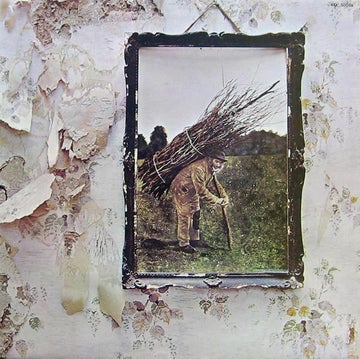
Today’s Heavy Vinyl Disaster from Classic Records… Zep IV

Hot Stamper Pressings of the Music of Led Zeppelin Available Now

A classic case of live and learn

Back in the day I thought the Classic 180 and then 200 gram pressing was the king on this title. In late 2006 I wrote:

“You can hear how much cleaner and more correct the mastering is right away…”

Folks, I must have been out of my mind.

No, that’s not quite fair. I wasn’t out of my mind. I just hadn’t gotten my system to the place where it needed to be to allow the right original pressings to show me how much better they can sound.

Our EAR 324 phono stage and constantly evolving tweaks to both the system and room are entirely responsible for our ability to reproduce this album correctly. If your equipment, cleaning regimen, room treatments and the like are mostly “old school” in any way, getting the album to sound right will be all but impossible. Without the myriad audio advances of the last decade or so you are just plain out of luck with a Nearly Impossible to Reproduce album such as this.

All of the above are courtesy of the phenomenal revolutions in audio that have come about over the last twenty years or so. It’s what progress in audio in all about.

The exact same 200 gram review copy now [this was written about ten years ago] sounds every bit as tonally correct as it used to, and fairly clean too, as described above, but where is the magic?

You can adjust your VTA until you’re blue in the face, nothing will bring this dead-as-a-doornail Classic LP to life.

(more…)

If You Own This Classic Records Pressing, I’ll Bet It’s Pristine

Hot Stamper Pressings of Classical Masterpieces Available Now

If I were in charge of the TAS Super Disc list, I would not have put this record on it.

Here are some others that we do not think qualify as Super Discs.

When Classic Records was blowing out its unsold inventory through the Tower Records Classical Annex in Hollywood many years ago — apparently they had run into some financial trouble — this was a title you could pick up for under ten bucks. I remember it being $7, but my memory may not be correct on that point. Whatever the price, it was cheap.

And even at that price it seemed nobody really wanted it.  Which is as it should be. Heavy Vinyl or no Heavy Vinyl, a bad record is a bad record and not worth the bother of sitting down and listening to it.

If you own this record, my guess is it is pristine.

If you played it at all, you played it once and put it away on a shelf where it probably sits to this very day. Good records get played and bad records don’t. If you have lots of pristine records on your shelves, ask yourself this question: Why don’t I want to play them?

You may not like the implications of the answer: They aren’t very good.

And that means you should never have bought them in the first place. But we all make mistakes.

Owning up to them may be hard, but it is the only way to make any real progress in this hobby.

The One Out of Ten Rule

If you have too many classical records taking up space and need to winnow them down to a more manageable size, pick a composer and play half a dozen of his works. You may be surprised at how lackluster the sound is on the majority of them.

Most classical records display an irredeemable mediocrity right from the start.

(more…)

A Bad Pressing Tells You… What, Exactly?

Hot Stamper Pressings of the Music of Peter Gabriel Available Now

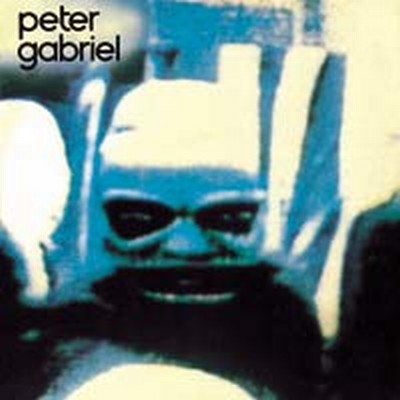
I wrote this commentary many years ago after a review I spotted online prompted me to crack open one of the Classic Records 200 gram Peter Gabriel titles and play it.

Let’s just say the results were less than pleasing to the ear.

Bernie Grundman had worked his “magic” again. As usual I was at a loss to understand how anyone could find his mastering in any way an improvement over the plain old pressings, even the domestic ones.


[UPDATE 2022: This is a foolish statement on my part, since the domestic pressings are by far the best sounding versions of the album. Live and learn, right?]


The Original Commentary

I had a discussion with a reviewer for an audiophile web magazine concerning his rave review for the Peter Gabriel records that Classic pressed.

I have just now played one, and it’s not as bad as I thought it would be. But of course it’s not very good either.

Not surprisingly, reviewers have a tendency not to notice these things. I’m not exactly sure how these people are qualified to review records when the most obvious tonal balance problems seem to go unnoticed.

The Classic is brighter and less rich.

Like a lot of the records that Bernie Grundman has cut in the modern era, the tonality is off. It is simply too lean.

This is not the right sound for this album.

That’s Bernie for you. After all these years, no amount of mischief he did for Classic — or any other label — surprises me.

A Bad Record Tells You… What?

Which brings up something else that never fails to astonish me. How can an equipment review be trusted when the reviewer uses bad sounding records to evaluate the equipment he is testing? Aren’t we justified in assuming that if a reviewer can’t tell he is listening to a bad record, he probably can’t tell whether the equipment under review is any good either?

Here is a good example of a reviewer raving about a mediocre-at-best pressing in an equipment review.

A bad record tells you nothing about the equipment it is playing on.

Worse, it might complement the faults of the gear and end up sounding tonally correct. If you use So Long So Wrong as a test disc, what are you testing for, the hyped-up vocals or the harmonically-challenged guitars?

(more…)

Rhapsodies – Classic Records Reviewed

More of the music of Franz Liszt (1811-1880)

The lower strings are wonderful on the original — wall to wall, with that rosiny texture we love. I wrote at the time — this is twenty or so years ago — that the Classic pressing took that rich, dark sound and brightened it up, ruining it in the process.

Cellos and double basses just don’t sound like that. On the best pressings of LSC 2471, their timbre is Right On The Money. Of course, that’s the real thing, not some audiophile rebutchering. 

Now if you’re a Classic Records fan, and you like that brighter, more detailed, more aggressive sound, the original is probably not the record for you.

We don’t like that sound and we don’t like most Classic Records. They may be clean and clear but where is the RCA Living Stereo Magic that made people swoon over these recordings in the first place?

Bernie manages to clean that sound right off the record, and that’s just not our idea of hi-fidelity.

(more…)