threeselft

The Three – Liner Notes and a Rave Review

Hot Stamper Pressings of The Three Available Now

Excerpts from the Liner Notes

On a windy and unusually cold night in Los Angeles, each of the three musicians arrived before the session start time of 10 PM on November 28, 1975. At exactly 10 PM, The Doobie Brothers session that was going on since morning ended. Two assistants immediately started setting up for the session. The Steinway concert grand piano, delivered the previous day, was wheeled in to the center of the room and got tuned. Shelly Manne’s drum kit was assembled in a makeshift “booth.” Microphones were set up, checked and positions adjusted.

Initially, Telefunken microphones were positioned on the piano, but later were replaced by two Neumann U87s. The piano lid was opened to the concert position and microphones were centered relative to the keys and placed a foot (30 centimeters) inward from the hammer and a foot (30 centimeters) away from the strings. One mic was pointed toward the bottom notes and the other pointed toward the top.

To record Ray Brown’s bass, a Shure SM56 and a Sony 38A were pointed at the bridge of the bass, two inches above it. The Shure was used to capture the attack and the Sony mic was used to capture the rich low tones.

Seven microphones were used to capture the sounds of the drum set. Two U87’s were placed overhead, roughly 16-inches above the cymbals facing down. The bottom quarter of the kick drum was dampened with a blanket on the outside and was mic’ed with a Shure SM56. SM56’s were also used for toms and bass toms. Sony 38A was used on the snare and Sennheiser’s Syncrhon on the high-hat.

Each mic was placed 2 inches away from the instruments in a close mic set up. Mr. Itoh got involved with fine tuning mic positioning for tone, stereo placement and balance. Meanwhile, final adjustments were being made on the cutting machine set up.

Within the hour, the set up was done and all preparations were completed. The musicians finished warming up and were ready for Take One. The usual banter subsided and everyone put on their “game face.” Even Ray Brown, who usually cracked jokes in a loud voice, looked serious as he turned his attention to Mr. Itoh, waiting for his cue. As soon as he was notified through the intercom that the cutting needle was put down, Mr. Itoh gave the signal with his hand, and the recording started. In 16 minutes, three tracks were recorded in rapid succession.

Relieved that the initial take was over, the musicians joined the producer and engineer in the control room to listen back from the 2-track tape that was used as back up. With the initial tension gone, all three excitedly made comments and evaluated their own performance and the sounds they got. The thumbs-up was given by the cutting engineer for take one and the musicians went back to the live room for the next take. This process was repeated until 4 AM the following morning, resulting in a total of three takes per track.

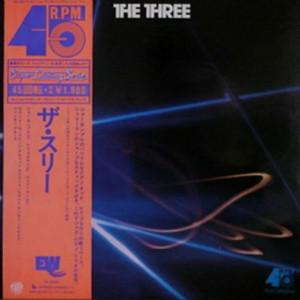
(more…)

Letter of the Week – “I find myself just wanting to go back to a hot stamper regardless of the artist or genre.”

Hot Stamper Pressings of Jazz Piano Recordings Available Now

One of our good customers had this to say about some Hot Stampers he purchased recently:

Gotta tip my cap to you folks. You have been blowing my mind with some amazing sound. Disc after disc. To the point where I am now having a love-hate relationship with my hot stampers due to the fact they’ve practically rendered the bulk of my 200+ record collection considerably less enjoyable to listen to.

Every time I listen to a ‘modern’ reissue now, even the good ones, I don’t necessarily dislike it—many of them are great—but they’re not the same and I find myself just wanting to go back to a hot stamper regardless of the artist or genre.

All I want is that sound. I can’t get enough of it.

I’ve got some incredible reissues too. From music matters jazz to Impex 1-steps. Lucky enough to even have a couple MMJ on their SRX vinyl as well. And boy is that quiet. Almost digital, it’s creepy. And it is great sound by today’s ‘normal’ standards.

But now that I’ve heard what kind of mind-blowing sound is actually possible, well, these are not that.

Close—and better than MANY of the alternatives—but no cigar.

The Zep II is incredible. Easily the best sounding album I now own and the crown jewel of my collection. And so quiet too. Especially compared to my other 2 RL hot mix copies I got while I was in hot pursuit of the holy grail. I love that you guys conservatively grade everything. More often than not I’ve been impressed by how much more quiet the records are than I expect them to be. As I mentioned previously this was a huge splurge for me and not something I’ll be able to do often, but now having heard it many times over it’s unequivocally worth every penny.

It occurred to me while listening to it the other night that you guys aren’t selling records. You’re selling time machines. I now possess a near infinitely-reusable ticket to go to a Led Zeppelin concert literally any time I feel like it. And I wasn’t even born yet when that was actually possible. Still trying to wrap my head around that. Could easily say the same for my Dark Side hot stamper as well.

Almost equally as exiting was to take a flier on the 45 rpm copy of The Three you all put on offer a couple weeks ago. I had never heard of the album or Joe Sample at all for that matter. I’ve since listened to the track Funky Blues easily 20+ times since I got it, to the point where I’m forcing myself to curtail my listening frequency before I cause groove damage.

This might just be my new favorite song. And it’s easily catapulted to one of my top 10 favorite albums.

The first time I heard Shelly Manne whack that snare a few seconds into the song I nearly dropped my drink. Then he did it again a few measures later and I knew I was in for a real treat. The piano is just haunting. Even the bass is unreal. I’ll stop here because I’m sure you don’t need me to tell you, but thank you for this one, this is something special as well.

I love it so much I have an ask. Any chance you guys have a low grade hot stamper copy of the 33 rpm version kicking around after your last shootout? After spending 400 on the 45 I can’t justify a second copy for hundreds of dollars but I’m dying to hear the rest of the album now. I’d pull the trigger on even your lowest grade most affordable copy if you have one, just to hear the last 2 tracks. And possibly take a little wear and tear off the poor grooves of my 45 at the same time!

Anyway I’ve rambled on enough for one evening (no Zep pun intended) but did want to be sure to express my sincere gratitude for your services. You all have well-earned another loyal customer at this point. Appreciate you indulging me and look forward to many more hot stampers to come!

Best,
Carter

Carter,

Thank you very much for taking the time to write about your experiences with three of the very special records we’ve sent you. Those are amazingly good records, no question about it.

And it seems you have discovered through those three pressings what our Hot Stampers have in such abundance, and what modern records are mostly missing to their all-but-fatal detriment.

We don’t go out of our way to use many technical terms here on the blog, but since there is one that perfectly fits the quality you describe, we will look the other way and just break our longstanding rule and put it out there, simply because it has a special something that we feel perfectly describes the aspect of the sound you are hearing but not quite able to put your finger on.

The phrase you are most likely looking for is je ne sais quoi.

As the dictionary has it, there is without a doubt an appealing quality to our records that cannot be adequately described or expressed.

The appealing quality of our Hot Stamper pressings is born of many factors, most of which we do not understand.

But here’s one: our records are cleaned in such a way that the mysterious quality you speak of is brought out to an exceptional — I might go so far as to say unparalleled — degree. No other cleaning regimen of which we are aware can do what The Prelude System can do for maximum JNSQ Factor (if I may take the liberty of abbreviating the term. Easier to type that way, to be honest).

We talk about all the things we are listening for when comparing records — various aspects of the bass reproduction, the amount of midrange presence, spaciousness, etc., etc., and we write down what we are hearing in all those areas on our notes, some of which we share with our readers right here on the blog.

If you’ve ever done one of these multi-record shootouts, you know it helps to focus on the details of the recording as you listen and scribble away at your notes. It gives you something to do while the music is impressing the hell out of your eardrums and sending endorphins surging deep into your brain matter.

But what is the final grade going to be? Do you simply add up all the factors and weigh them appropriately to come up with the overall grade you then award the record? What about the JNSQ factor? How much of that goes into the final grade?

It’s really not that complicated. The best sides do everything right. The next best sides do almost everything right, falling short in one area or another, which means they typically earn grades of 2.5+, and on down the line to the Supers and those with lesser grades.

The JNSQ Factor doesn’t really seem to make that much of a difference because all the particulars are there in the sound and they all add up to a fabulous listening experience, the kind you described in your letter.

But all of the above talk about grading misses the point entirely.

The JNSQ factor is the thing that vintage pressings have in spades and modern pressings are mostly missing. They are the mysterious, unnameable heart and soul of vintage vinyl. They are the main reason your new records don’t feel right even when they mostly sound right.

How it came to be that mass-produced records from 50 to 75 years ago often have all the magic of the music encoded in their grooves and new records rarely do is a mystery no one seems to be able to answer. We certainly can’t.

But we know it when we hear it.

And if we hear it, there must be something to it, and if there is something to it, that thing is going to need a name.

Je ne sais quoi works as well as any other, so we’ll go with that one if it’s all the same to you.

(more…)

The Three on Inner City – By Far the Best Way to Get All Six Tracks

More of the Music of The Three

  • A Demo Disc quality Inner City pressing of this wonderful recording with INCREDIBLE Shootout Winning Triple Plus (A+++) sound or close to it from start to finish
  • The transients are uncannily lifelike – listen for the powerful kinetic energy produced when Shelly whacks the hell out of his cymbals
  • My favorite Piano Trio Jazz Album of All Time; every one of those six tracks is brilliantly arranged and performed
  • 4 stars: “One of Joe Sample’s finest sessions as a leader” – with Shelly Manne and Ray Brown, we would say it’s clearly his finest session, as a leader or simply as the piano player in a killer trio

If you want to hear the full six tunes recorded by The Three at that famous Hollywood session (which ran all day and long into the night, 4 AM to be exact), these 33 RPM pressings are the best way to go. The music is so good that I personally would not want to live without the complete album. The Three is, in fact, my favorite Piano Trio Jazz Album of All Time; every one of those six tracks is brilliantly arranged and performed (if you have the right takes of course; more about that later).

More On The Subject Of Energy

This is a quality no one seems to be writing about, other than us of course, but what could possibly be more important? On this record, the more energetic copies took the players’ performances to a level beyond all expectations. It is positively shocking how lively and dynamic the best copies of this record are. I know of no other recording with this combination of sonic and musical energy. It is sui generis, in a league of its own.

Both sides are so transparent you can hear Shelly Manne vocalizing as he’s playing the drums. The drum solo on side two is killer here. So full of energy and so dynamic. Why aren’t more drum kits recorded this well? Check out the pictures inside the fold-open cover to see all the mics that were used on the drums. That’s where that wall-to-wall, floor-to-ceiling sound comes from.

The transients are uncannily lifelike, conveying the huge amounts of kinetic energy produced when Shelly whacks the hell out of his cymbals.

Ne Plus Ultra Piano Trio

This record is made from the “backup” tape for the session. East Wind released two versions of the famous direct to disc version at 33 RPM, and for those of you who bother to read the commentary, you know that take one of that pressing presents a completely different performance of the music than the one found on the Inner City on offer here.

There was a time when the best copies of a recording like this would go directly into my collection. If I wanted to impress someone, audiophile or otherwise, with the You-Are-There illusion that only Big Speakers in a dedicated room playing a live recording can create, this would be up near the top of the list. There is practically nothing like it on vinyl in my experience.

This is without a doubt my favorite piano trio record of all time. Joe Sample, Shelly Manne, and Ray Brown only made one album together, this one, recorded direct to disc right here in Los Angeles for Eastwind in the Seventies. Joe Sample for once in his life found himself in a real Class A trio, and happily for jazz fans around the world, he rose to the occasion. Actually, it was more like an epiphany, as this is the one piano trio album I put in a class by itself. All three of The Three are giving us the best they’ve got on that November day in 1975.

When it comes to small combo piano jazz, there is none better.

(more…)

The Three at 45 RPM Has Energy Like No Recording We’ve Ever Heard

Hot Stamper Pressings Featuring Shelly Manne Available Now

When it comes to blockbuster sound that jumps out of the speakers, the wind is at your back with The Three because this is one seriously well-recorded album. If this record doesn’t wake up your stereo, nothing will.

We call it a “blockbuster” because it does not sound very much like a jazz trio performing in a club or some such venue.

But where is the harm in that? It’s not trying to.

What it’s trying to be is huge and powerful in your home. Everything has been carefully and artificially placed in the soundfield. Shelly Manne’s cymbals are placed as far left and as far right as possible on the “stage,” making him the longest-armed drummer to have ever sat behind a kit.

The drum solo on side two is full of energy and so dynamic. Why aren’t more drum kits recorded this well?

Check out the pictures inside the fold-open cover to see all the mics that were used on the drums. That’s where that wall-to-wall, floor-to-ceiling sound comes from.

It’s a phenomenal big speaker jazz Demo Disc.

Play this one as loud as you can. The louder you play it, the better it sounds.

Speaking of Energy

The transients found on this recording are uncannily lifelike. Listen for the huge amounts of kinetic energy produced when Shelly whacks the hell out of his cymbals.

This is a quality no one seems to be writing about, other than us of course, but what could possibly be more important? On this record, the more energetic copies took the players’ performances to a level beyond all expectations. It is positively shocking how lively and dynamic the best copies of this record are.

I know of no other jazz recording with this combination of sonic and musical energy.

(more…)

Letter of the Week – “I have many killer jazz records but this might be the best recorded of all of them.”

Hot Stamper Pressings of Jazz Piano Recordings Available Now

One of our good customers had this to say about some Hot Stampers he purchased recently:

Hey Tom, 

Just received the White Hot Stamper copy of “The Three” 45 rpm with Joe Sample, Ray Brown and Shelly Manne.

I have many killer jazz records but this might be the best recorded of all of them.

This is not a record for anyone who doesn’t have world class equipment because the dynamics and transients on the record will be too much for anything less than a very top tier system!

Amazing sound!!!

Brad

Agreed! It’s so good it’s my favorite jazz piano trio recording of all time!

(more…)

The Three / Self-Titled (45 RPM)

More Jazz Recordings Featuring the Piano

  • Amazing sound throughout this Japanese import pressing, with both sides earning KILLER Shootout Winning Triple Plus (A+++) grades or close to them
  • The transients are uncannily lifelike – listen for the powerful kinetic energy produced when Shelly whacks the hell out of his cymbals
  • My favorite piano trio jazz album of all time — every one of the tracks is brilliantly arranged and performed
  • 4 stars: “One of Joe Sample’s finest sessions as a leader” – with Shelly Manne and Ray Brown, we would say it’s clearly his finest session, as a leader or simply as the piano player in a killer trio
  • Some of the other records we’ve discovered with top jazz piano sound can be found here
  • More amazing sounding piano recordings, of every kind of music, can be found here

If you want to hear the full six tunes recorded by The Three at that famous Hollywood session (which ran all day and long into the night, 4 AM to be exact), our 33 RPM pressings are your best bet.

If you want absolutely amazing, mind-blowing, you-are-there sound, a Hot Stamper 45 is the only way to go.

The music is so good that I personally would not want to live without the complete album. The Three is, in fact, my favorite piano trio jazz album of all time. Very one of those six tracks is brilliantly arranged and performed (if you have the right takes of course; more about that later).

This album checks off a number of important boxes for us here at Better Records:

(more…)

The Three at 45 RPM – Our Four Plus Copy from 2013

Hot Stamper Pressings of The Three Available Now

We had six (yes, six!) of these 45 RPM pressings (and five Inner City’s and a couple of Eastwind 33’s — it was a big shootout), and this side one had the most ENERGY of any of them. This is a quality no one seems to be writing about, other than us of course, but what could possibly be more important? On this record, it took the performances of the players to a level beyond all expectations.

Our lengthy commentary entitled outliers and out-of-this-world sound talk about how rare these kinds of pressings are and how to go about finding them.

We no longer give Four Pluses out as a matter of policy, but that doesn’t mean we don’t come across records that deserve them from time to time.

This album checks off a number of important boxes for us here at Better Records:

Folks, you are looking at the BEST SOUNDING RECORD we have ever played here at Better Records, and the good news for you dear reader, whether you’re a true believer, a skeptic, or fall somewhere in-between, is that it can be yours. There was a time when a record like this would go directly into my collection. If I wanted to impress someone, audiophile or otherwise, with the you-are-there illusion that only Big Speakers in a dedicated room playing a LIVE recording can create, this would be the clear choice, possibly the only choice. There is simply nothing like it on vinyl in my experience. (more…)

The Three / Self-Titled – Our Direct Disc Copy from Way Back

Hot Stamper Pressings of The Three Available Now

DEMO QUALITY, MASTER TAPE SOUND (!) on BOTH SIDES!

Hey, wait a minute, this is the direct to disc version, there is no Master Tape. How can it have Master Tape Sound?

Simple. It’s the RARE copy that actually sounds like this one. Most Eastwind pressings — like pressings on any label — do not convey all the information of the master tape that you know must exist because you HEAR it on some copies. Some Direct Discs have much more of the sound that was cut live directly onto the acetate than others. This is one of those, one of the ones with MUCH MORE SOUND! 

This is my favorite piano trio record of all time. Joe Sample, Shelly Manne and Ray Brown only made one album together, this one, recorded direct to disc right here in Los Angeles for Eastwind in the Seventies. Joe Sample for once in his life found himself in a real Class A trio, and happily for jazz fans around the world he rose to the occasion. Actually it was more like an epiphany, as this is the one piano trio album I put in a class by itself. All three of The Three are giving us the best they’ve got on this one. When it comes to piano trio jazz, there is none better.

So Many Takes

There are two takes for the Direct Disc, the second of which is terrible and the first of which we are offering here. The wrong take is so bad I simply cannot stand to listen to it anymore, no matter how good the sound is. And most of the direct disc copies do not sound all that good anyway, truth be told.

The only combination of music and sound that makes any sense to us here at Better Records is take 1 of the direct disc, the 45 RPM from tape version and the 33 on Inner City.

(more…)