Top Artists – Jethro Tull

Letters, reviews and commentaries for the music of Jethro Tull.

Aqualung – Our Domestic Shootout Winner from 2008

Hot Stamper Pressings of the Music of Jethro Tull Available Now

OH YEAH! This Original Domestic Aqualung has TWO STUNNING SIDES that will MURDER the British Originals and make mincemeat out of any reissue.

Folks, for hard rockin’, tubey magical, psychedelic ’60s analog, it just does not get much better than this album. Here’s a knockout copy that will bring the power of Aqualung to life right there in your living room. Side one rates A+++ and side two rates A++; both easily defeated our best Import pressings, including a handful of sides with 1U, 2U, and 3U stampers — the kind that go for big dollars on eBay no matter what they sound like.

The British copies with the right stampers can sound amazingly rich and sweet, but they can’t ROCK like this copy — not a chance.

Side one has MASTER TAPE SOUND. More importantly, it has the kind of solid bottom end that is ESSENTIAL to this music. When Aqualung is rich and sweet, it’s a nice album, but when it can really rock, it is a BEAST! Few records get the entire Better Records crew bangin’ their heads and drumming on the tables the way the best side ones of Aqualung do, and a copy like this will really show you why.

Drop the needle on Mother Goose for some serious Tubey Magic. The sound of the flute and the guitars is OFF THE CHARTS. The drums are HUGE, punchy, and natural, and the immediacy of the vocals is amazing.

Side two is nearly as amazing — smooth and sweet, clean and clear, lively and dynamic. The openness and transparency allow you to separate the various parts and appreciate each musician’s contributions. You get airy flutes, tight bass, full-bodied vocals and real weight to the bottom end — a combination that you just can’t get from the average pressing or any heavy vinyl reissue. Play Locomotive Breath to see just how hard this copy rocks.

Hopeless Reviewers (Chapter 16,000)

Michael Fremer may think the new reissue is the ultimate pressing, but we sure don’t. By the time the guitars at the end of the title track fade out, you will be ready to take your heavy vinyl Classic and ceremoniously drop it in a trashcan. (Actually, the best use for it is to demonstrate to your skeptical audiophile friends that no heavy vinyl pressing can begin to compete with a Hot Stamper from Better Records. Not in a million years.)

More Fremer / Classic bashing? Of course! We take them to task at every turn when the opportunity presents itself — but not out of spite or vindictiveness (moi?!). We do it for the purest of reasons: as a service to you, dear customer. Where else can you turn for the straight scoop?

And unlike the reviewers, the forum posters and the audiophile man in the street, we offer more than just opinion. We offer the record that proves our case. If your pockets are deep enough, we will happily show you the difference between The Real Thing and The New Wannabe.

(more…)

In 2008 We Put Up Our First Shootout Winner for Benefit

Hot Stamper Pressings of the Music of Jethro Tull Available Now

This WONDERFUL original Island Chrysalis Brit LP has AMAZING SOUND! This is the BEST sounding copy we’ve ever heard, better than any of the other Island imports! A Triple Plus AGAIG sound on side one and nearly as good on side two. Quiet too!

Both sides were the winners in this shootout, and the vinyl was some of the quietest we played. This is THE ONE! There are many sonic problems with this recording, but most of them disappear when you get a truly Hot Stamper copy like this one.

The sound is amazingly dynamic and powerful, yet overflowing with tubey magic. We played almost ten different copies of this record this week (April 2008), every domestic label variation and close to a half dozen British and German imports. This copy was CLEARLY the best of the batch.

Biggest problems?

Smeary, veiled vocals and guitars.

Lack of extension on both ends.

It is the rare copy of Benefit that succeeds in overcoming these chronic problems. That is of course the main reason why this is our first shootout for the album. Old Brit (and domestic) rock records like these are noisy and usually don’t sound good. To find a copy like this takes WORK.

Much of the following commentary is “borrowed” and paraphrased from our discussion of Stand Up. The two albums (Tull’s second and third) understandably have much in common.

Tough Sledding with Benefit

It’s very common for pressings of Benefit to lack bass or highs, and more often than not they lack both. The bass-shy ones tend to be more transparent and open sounding — of course, that’s the sound you get when you take out the bass. (90 plus percent of all the audiophile stereos I’ve ever heard were bass shy, no doubt for precisely that reason: less bass equals more detail, more openness and more transparency. Go to any stereo store or audiophile show and notice how lean and bright the sound is. Ugh.)

Just what good is a British Classic Rock Record that lacks bass? It won’t rock, and if it don’t rock, who needs it? You might as well be playing the CD.

The copies that lack extreme highs are often dull and thick, and usually have a smeary, blurry quality to their sound. When you can’t hear into the music, the music itself quickly becomes boring.

If I had to choose, I would take a copy that’s a little dull on top as long as it still had a meaty, powerful, full-bodied sound over something that’s thin and leaned out. There are many audiophiles who can put up with that sound — I might go so far as to say the vast majority can — but I am not one of them. Small box speakers and screens are not for me. Those systems don’t do a very good job with albums like Benefit, and a stereo that can’t play Benefit is not one I would be likely to own.

Warning: Commentary Coming

One of these days I’m going to write a commentary about the evolution of the sound of my stereo over the years and decades, the short version of which goes like this: We have recordings that we love, and we build and tweak and guide our stereo in the direction of getting more out of those recordings. With crappy audiophile bullshit pressings of crappy audiophile bullshit music, you end up with one kind of stereo. With an album like this you end up with an entirely different one. My stereo has evolved to play records like this, not the junk on the TAS List or some awful Diana Krall LP. 

Flute

Of course one of the key elements to any Jethro Tull record is the sonic quality of the flute. You want it to be airy and breathy — like a real flute — and some copies will give you that, but keep in mind there are always trade-offs at work on old rock records like this. It’s a full-bodied, rich sounding recording. Make sure your system is playing it that way before you start to focus on the flute, otherwise you are very likely to be led astray. We have quite a bit of commentary to that effect on the site, some of which can be seen on the left.

A Big Speaker Record

Let’s face it, this is a Big Speaker Record. It demands to be played loud. It requires a pair of speakers that can move lots of air below 250 cycles. If you don’t own a speaker that can do that, this record will never really sound the way it should. It will certainly never come to life the way it should.

I’m not saying don’t buy it. Maybe one day you’ll get hold of a pair of big speakers and be able to play this record like a pro. (Considering the price of big speakers today, that’s not very likely unless you win the lottery, but we can always hope.)

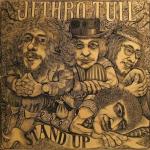
Stand Up – Notes from 2009

Hot Stamper Pressings of the Music of Jethro Available Now

Our last shootout for Stand Up was over a year ago, early in 2008. By some good fortune we have been able to find a number of fairly clean early British pressings, with both Pink and Sunray labels, as well as some very good sounding domestics. (Yes, they are out there. Few and far between and probably not the ones you would think to buy but out there nonetheless. Buy enough of them and clean them right and you will find some too.)


UPDATE 2025:

We no longer buy domestic pressings of Stand Up. They sound like they are made from second-generation tapes, with the smear and the lack of transparency that are the hallmarks of records mastered from copy tapes.


We did make one very important discovery this time around.

We found a Pink Label copy with a side two that beat all three of the Sunray pressings we had on hand, a copy that made us lower the grade of this very record to Two and a Half Pluses after playing it. Here is our now somewhat mistaken commentary from the last listing we did for a $750 Hot Stamper: 

The Sunray copies CAN and DO beat the best British originals when you get a good one, and this is a very good one. In our many (25+) years of experience with Stand Up vinyl we can tell you categorically that there is no earlier import pressing, no later import pressing, and no domestic pressing of any era that can compete with the sound of this LP. It was well over a year ago that we found the last one that sounded like this, and we don’t expect to find another one anytime soon. They’re a fluke. There are many sonic problems with this recording, but most of them disappear when you get a truly Hot Stamper copy like this one.

Perhaps categorically was poorly chosen. One should rarely be categorical about record pressings, since one is in no position to play them all or to have perfect equipment with which to play them.

Let’s not worry about that now. Let’s talk about this copy. The sound is amazingly dynamic and powerful, yet overflowing with tubey magic. We played almost ten different copies of this record this week (February 2009), every domestic Reprise label variation and close to a half dozen Pink and Sunray label British imports. (No more German pressings for us; they never seem to cut it so we are giving up on that country for Jethro Tull. Pink Floyd and The Beatles, yes, German pressings can be amazing. But for Island label records, Gemany was just not getting good tapes, if our experience is any guide.)

This copy was CLEARLY the best of the batch. Side one just JUMPS TO LIFE right out of the gate. Master Tape Sound is the only way to describe it. You will simply be amazed at how good this record can sound. It belongs in our Top 100 with sound like this.

(more…)

Aqualung – Our Four Plus Shootout Winner from 2013

Hot Stamper Pressings of the Music of Jethro Tull Available Now

We award this copy’s side two our very special Four Plus A++++ grade, which is strictly limited to pressings (really, individual sides of pressings) that take a given recording to a level we’ve never experienced before and had no idea could even exist. We estimate that about one per cent of the Hot Stamper pressings we come across in our shootouts earn this grade.

  • Our lengthy commentary entitled Outliers & Out-of-This-World Sound talks about how rare these kinds of pressings are and how to go about finding them.
  • Nowadays we place them under the general heading of breakthrough pressings. These are records that, out of nowhere, reveal to us aspects of sound that completely change our understanding of these familiar recordings.
  • When this pressing (or pressings) landed on our turntable, we found ourselves asking “Who knew?“ Perhaps an even better question would have been “How high is up?”

This original Reprise Aqualung has a STUNNING Beyond WHITE HOT side two that just may have the best sound we’ve ever heard for the album. It will absolutely MURDER the British Originals and make mincemeat out of any reissue! Folks, for hard rockin’, Tubey Magical, psychedelic early ’70s analog, it just does not get any better. Here’s a knockout copy that will bring the power of Aqualung to life right in your very own listening room.

Keep in mind that most copies of Aqualung do almost nothing right. In fact, in one of our recent shootouts we didn’t find a single copy worthy of a three-plus grade. This one was so impressive, we felt that A+++ was not enough. No, Three Pluses won’t do for an Aqualung that sounds this good.

We’re calling it A++++. It’s some of the best Jethro Tull sound to grace our listening room in a very, very long time. We’ve missed our old friend and we’re glad to see he’s back and better than ever. (more…)

An Interview with Martin Barre

More of the Music of Jethro Tull

Reviews and Commentaries for Aqualung

(No, that’s not him pictured.)

Martin Barre’s Guitar Wizardry

Clarity and resolution are the key to getting the most out of this album. How about all the fuzz on Barre’s fuzzed out guitar on the song Aqualung? Sure, there’s guitar fuzz on the typical pressing but there’s SO MUCH MORE on the truly elite copies. When you hear it right, the sound of that guitar makes you really sit up and take notice of how amazing Barre’s solos are. (The guy is criminally underrated as both an innovator and technically accomplished guitarist.) The distortion is perfection and so is the playing.

Highlights from an Interview with Premiere Guitar  in 2011

Max Mobley

You have very pure tones on your recorded work. Do you use much processing or EQ in the studio?

No, I don’t use any EQ. I only want the sound of the guitar coming out of the amplifier—nothing else. When I go to any studio, I insist the EQ is either turned off or set to null.

The tone on your solo work, while it doesn’t sound processed, is quite different from your tone with Jethro Tull.

Well, in Jethro Tull, I get one or two hours and that’s it. If I haven’t got it by then, then my solo is going to be a flute solo. On my solo albums, I have the luxury of spending as much time as I want to experiment with different guitars, different sounds, and mics. It’s a different process and there is no pressure. With Jethro Tull, there’s always somebody waiting to record their part, so there is a bit of pressure on you. I don’t spend a lot of time doing guitar parts, because I want them to be fresh. But I think that if something doesn’t work in one or two takes, that bit of music doesn’t work or you’ve got to completely rethink what you are doing. You can’t just keep bashing away at the same idea.

You used a 1958 Les Paul Junior on Aqualung. Why that guitar?

We did a tour with Mountain. Back then, bands weren’t particularly friendly with one another, and Mountain was the first band that we really became friends with. I just loved Leslie West’s playing and they truly were a great “feel” band with the way they fed off each other live. He’s probably the only guitarist who has influenced me directly. He played a Les Paul Junior, so that’s why I bought mine.

(more…)