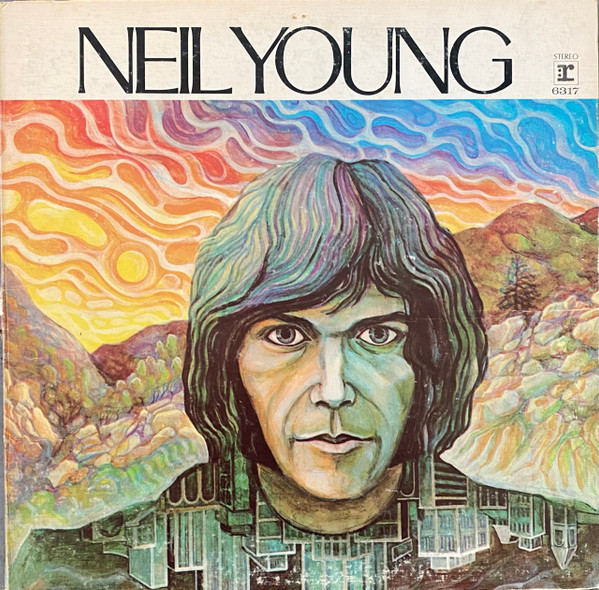
 Hot Stamper Pressings of the Music of Neil Young Available Now
Many years ago we thought the early pressings of Neil Young’s first album, the ones using the original mix, had the best sound.
We realized — eventually — that we were way off the mark about that and took the time to write a couple of commentaries about that awful mix, explaining just how wrong we were.
However, the right mix only gets you so far. There are dozens of different pressings of this album, and most of them are not very good sounding. In our Hot Stamper listings we note as much:
The sound of the typical pressing leaves a lot to be desired. You get copies where Neil’s voice is so forward that it quickly becomes fatiguing and unpleasant. Many later pressings are just the opposite — Neil’s voice is so muffled he’s practically underwater, probably because those pressings are made from copy tapes of compromised fidelity.
It’s the rare copy that puts him in the right place, and even then there are still plenty of ways in which a copy can fall well short of the best.
We played a copy from the shootout pressed on the later tan label that turned out to be a real mess. Nothing else in our shootout sounded quite like it, and that’s a good thing.

It was just bizarre:
- Scooped and weird
- No upper mids but scratchy highs
Can you imagine playing a copy this wrong and thinking you were hearing the sound that Neil had recorded? That was Reprise in the mid-seventies — they could not have cared less what the old titles they were stamping out sounded like. Why should they? There wasn’t any money in it and customers didn’t seem to mind.
If it’s all about the music, as some mistaken audiophiles will tell you to this day, what on earth does sound quality have to do with it anyway? (Keep in mind this was long before the advent of the CD. If you wanted to buy a new copy of the album, it was a crappy reissue LP or a cassette. Your poison awaits.)
And it gets worse. Practically every reissue produced after 1975 was every bit as bad. Here’s a typical Winchester pressing that somehow made it into the shootout, probably as a matter of curiosity:

It would be hard to judge which of these two awful pressings had the worst sound. I suppose with the right tone controls, assuming your premap has such things, you could try to fix the WW pressing. The earlier pressing strikes me as a lost cause. (To get a better feel for what we mean by scooped-out mids, here’s a good example, a record that some audiophiles actually have in their collections, hard as that may be to believe.)
It took us a long time to figure out which pressings had the right sound for this music. If you want to go down that lonesome road, the one thing I can tell you is that you definitely have your work cut out for you. Good luck though. If you stick with it, you will surely learn a lot, even if you end up with a pressing that doesn’t sound remotely as good as the ones we sell.




 To be fair, MoFi made some reasonably good sounding records too. For those of you whose budget is on the limited side, if you find an affordable copy of


