



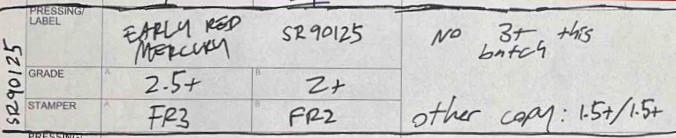
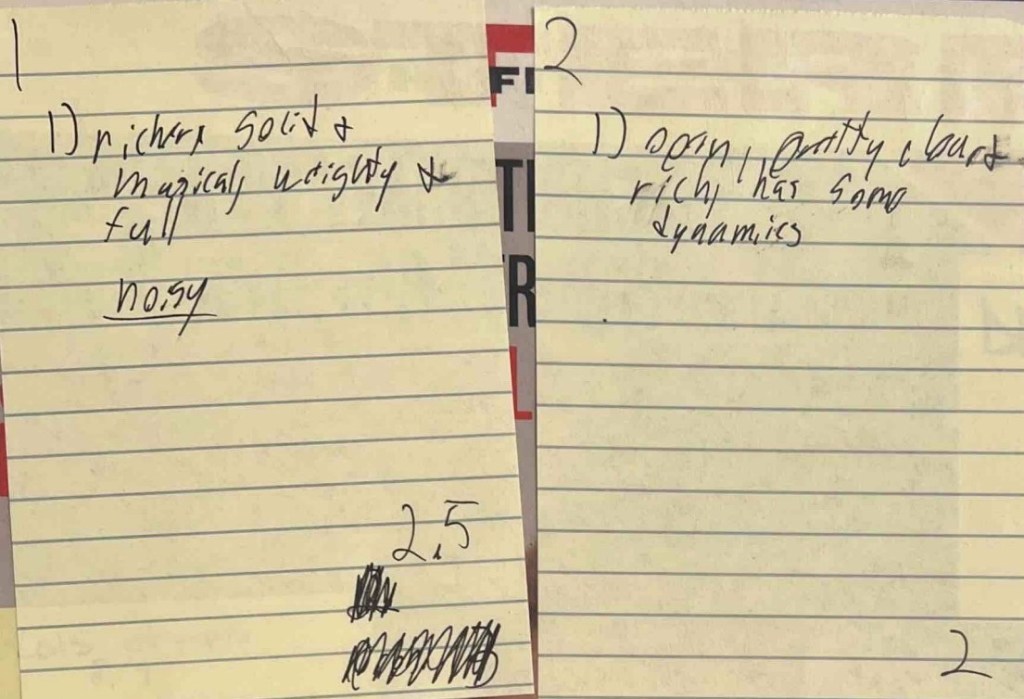
Neither the sound nor the performance of this 1959 Mercury (SR 90125) impressed us when we did a shootout for the work years ago.
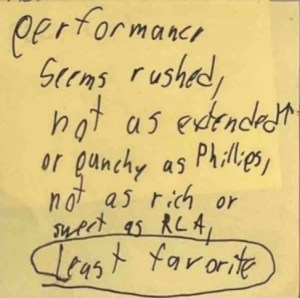
The performance of the Enigma Variations here seems rushed, and the two other recordings of the work that we like, one on Philips, the other on RCA, are better.
The Philips with Haitink is probably the better of the time and our favorite at this time. Of the three recordings that we felt had the best combination of music and sound, the Merc with Barbarolli was our least favorite, so we decided to concentrate on the best two recordings in our shootout and get rid of the Mercury pressings we had on hand.



Enigma Variations, for orchestra, Op. 36
At the end of an overlong day laden with teaching and other duties, Edward Elgar lit a cigar, sat at his piano and began idling over the keys. To amuse his wife, the composer began to improvise a tune and played it several times, turning each reprise into a caricature of the way one of their friends might have played it or of their personal characteristics. “I believe that you are doing something which has never been done before,” exclaimed Mrs. Elgar. Thus was born one of music’s great works of original conception, and Elgar’s greatest large-scale “hit”: the Enigma Variations. The enigma is twofold: each of the 14 variations refers to a friend of Elgar’s, who is depicted by the nature of the music, or by sonic imitation of laughs, vocal inflections, or quirks, or by more abstract allusions. The other enigma is the presence of a larger “unheard” theme which is never stated but which according to the composer is very well known. The identity of the phantom tune left the world with the composer, and guesses have ranged from “God Save the King” to a simple major scale.
This apparatus aside, the variations contain some of the most charming and deeply felt music Elgar ever penned, more than redeeming the work from the status of mere gimmickry. The main theme is hesitating, lean and haunting, and is reprised with the passionate first variation that represents Caroline, the composer’s wife, a constant source of encouragement and inspiration.
Allmusic