

More Frank Sinatra

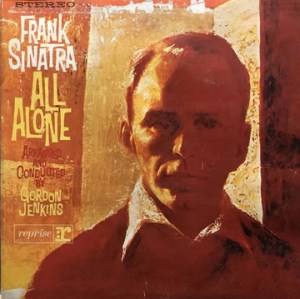
- A KILLER pressing of this Classic Sinatra release, and the first to hit the site in more than 5 years, with Shootout Winning Triple Plus (A+++) sound from start to finish – exceptionally quiet vinyl too
- This is 1962, and tubes and ribbon mics are in charge of the live-in-the-studio proceedings
- With a vintage early label pressing such as this one, you hear the kind of sound they heard
- Richness, warmth, Tubey Magic, and clarity are important to the sound, and here you will find plenty of all four
- “Divided between standards and relatively recent tunes, the most distinctive element of the album are the rich, neoclassical arrangements by Jenkins… a necessary listen for dedicated Sinatra fans.”
This vintage Reprise pressing has the kind of Tubey Magical Midrange that modern records can barely BEGIN to reproduce. Folks, that sound is gone and it sure isn’t showing signs of coming back. If you love hearing INTO a recording, actually being able to “see” the performers, and feeling as if you are sitting in the studio with the band, this is the record for you. It’s what vintage all analog recordings are known for — this sound.
Having done this for so long, we understand and appreciate that rich, full, solid, Tubey Magical sound is key to the presentation of this primarily vocal music. We rate these qualities higher than others we might be listening for (e.g., bass definition, soundstage, depth, etc.).
The music is not so much about the details in the recording, but rather in trying to recreate a solid, palpable, real Frank Sinatra singing live in your listening room. The best copies have an uncanny way of doing just that.
If you exclusively play modern repressings of vintage recordings, I can say without fear of contradiction that you have never heard this kind of sound on vinyl. Old records have it — not often, and certainly not always — but maybe one out of a hundred new records do, and those are some pretty long odds.
All Alone is a collection of Torch Songs, which Allmusic defines this way:
Torch Songs are particularly sultry ballads, so named for their slow-burning quality, and usually coming from the American pop-standard canon. In order to make them more sensuous than straight-ahead pop readings, most torch songs are performed with at least a little bit of jazz sensibility and swing. But although torch singers may use the songs as vehicles to show off their vocal range, jazz improvisation is rarely emphasized, instead spotlighting the smooth, seductive tones of the singer’s voice.
Torch songs can either celebrate romance or lament heartbreak, but they always create a mood related to affairs of the heart. Very few artists work exclusively in this style, but many pop-oriented jazz singers — especially female ones — devote some space in their repertoire to torch songs.
What the Best Sides of All Alone Have to Offer Is Not Hard to Hear
- The biggest, most immediate staging in the largest acoustic space
- The most Tubey Magic, without which you have almost nothing. CDs give you clean and clear. Only the best vintage vinyl pressings offer the kind of Tubey Magic that was on the tapes in 1962
- Tight, note-like, rich, full-bodied bass, with the correct amount of weight down low
- Natural tonality in the midrange — with all the instruments having the correct timbre
- Transparency and resolution, critical to hearing into the three-dimensional studio space
No doubt there’s more but we hope that should do for now. Playing the record is the only way to hear all of the qualities we discuss above, and playing the best pressings against a pile of other copies under rigorously controlled conditions is the only way to find a pressing that sounds as good as this one does.
Sonics
The biggest issue with Reprise-era Sinatra is always grit and grain, and we’re happy to report that this superb pressing has very little of either.
Also it’s often the case that the strings may seem a bit shrill or smeary (or both; smear itself can actually make the strings sound shrill). The more harmonically correct and rosiny the string tone, the better the sound, obviously.
We tried to get this shootout off the ground in 2012 and just did not have a big enough pile of copies to work with in order to find a truly Award Winning pressing. Since that time we’ve done the shootout twice, with bigger piles of copies, and nothing but good luck as regards Award Winners. The best pressings are superb in all respects.
Many substantial improvements to our cleaning regimen and playback quality allow records such as this one to sound dramatically better than they did even a few years ago. It’s the reward for all the hard work that we audiophiles go through. If you are not making regular improvements to your stereo and cleaning system, now is the time to start.
What We’re Listening For on All Alone
- Energy for starters. What could be more important than the life of the music?
- Then: presence and immediacy. The vocals aren’t “back there” somewhere, lost in the mix. They’re front and center where any recording engineer worth his salt would put them.
- The Big Sound comes next — wall to wall, lots of depth, huge space, three-dimensionality, all that sort of thing.
- Then transient information — fast, clear, sharp attacks, not the smear and thickness so common to these LPs.
- Tight punchy bass — which ties in with good transient information, also the issue of frequency extension further down.
- Next: transparency — the quality that allows you to hear deep into the soundfield, showing you the space and air around all the instruments.
- Extend the top and bottom and voila, you have The Real Thing — an honest to goodness Hot Stamper.
Gordon Jenkins
We want to give a special shoutout here to conductor/arranger Gordon Jenkins, who also handled the same duties on Nilsson’s classic must own A Little Touch Of Schmilsson In The Night. It’s yet another wonderfully well-produced vocal album of standards that deserves a place in any serious record collection.
TRACK LISTING
Side One
All Alone
The Girl Next Door
Are You Lonesome Tonight
Charmaine
What’ll I Do
When I Lost You
Side Two
Oh, How I Miss You Tonight
Indiscreet
Remember
Together
The Song Is Ended
AMG Review
Originally, All Alone was going to called Come Waltz With Me. Although the title and the accompanying specially written title song were dropped before the album’s release, the record remained a stately collection of waltzes, arranged and conducted by Gordon Jenkins.
Out of all the arrangers Sinatra regularly worked with, Jenkins had the most overt classical influences in his writing, making him the perfect choice for the project. … it is one of the most intriguing records Sinatra recorded.
Divided between standards and relatively recent tunes, the most distinctive element of the album are the rich, neoclassical arrangements by Jenkins. Sinatra doesn’t strictly follow Jenkins’ intentions. Instead of playing close to the vest, he wrenches the emotions out of the songs. Most of the time, the results are quite moving, especially on the opening and closing Irving Berlin ballads, “All Alone” and “The Song Is Ended.” When the results aren’t quite as successful, they are still interesting, and the elegant, rumanative music makes All Alone a necessary listen for dedicated Sinatra fans.