



We described a recent Shootout Winning pressing of Summer Side of Life this way:
So transparent, open, and spacious that nuances and subtleties that escaped you before are now front and center.
Everything you want in the sound of a good Folk Rock album is here in abundance.
Tubey Magical acoustic guitar reproduction is superb on the better copies of this recording. Simply phenomenal amounts of Tubey Magic can be heard on every strum, along with richness, body and harmonic coherency that have all but disappeared from modern recordings (and especially from modern remasterings).
Here are the notes for the 2.5+/3+ copy we put up on the site and sold in 2025.
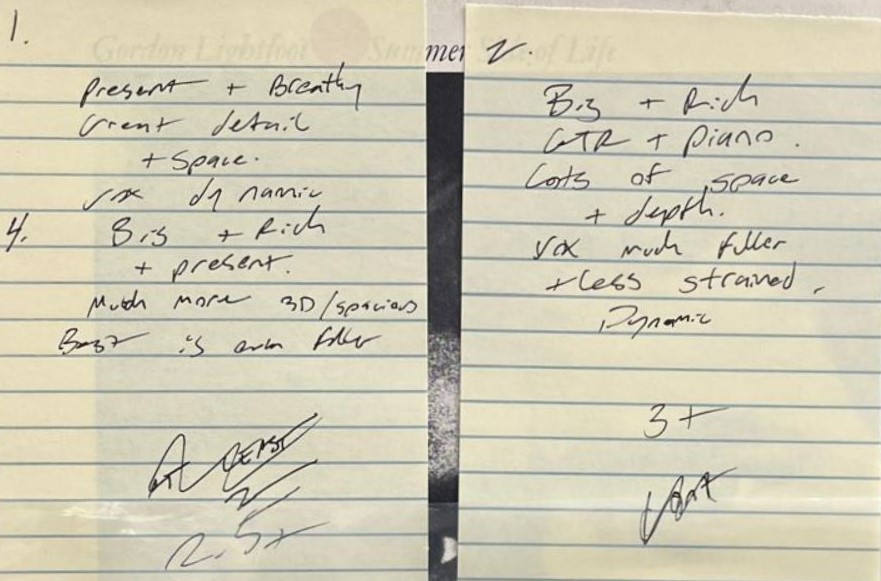

Side two was killer in every way, and the way we know that is we played a bunch of copies and nothing could beat it. This side two took top honors for having exactly the sound we described above.
Side one is another matter. We came across a side one that was slightly better than the side one you see here. When we played the two best copies back to back, side two of this copy came out on top, earning a grade of 3+. However, the side one of another pressing showed us there was even more fullness in the recording than we’d noticed the first time around, so we lowered the grade of side one to 2.5+.
The note actually reads “best is even fuller,” so side one was plenty full-bodied, just not as full-bodied as another copy we played.
How about that. It prompts the age-old question we audiophiles are always dealing with when it comes to pressings: how high is up?
And just to be clear for those who may be new to this blog and the idea of Hot Stampers, it’s a question that will never be answered.
Helpful Advice
To aid you in doing your own evaluations, here is a list of records that we’ve found to be good for testing Tubey Magic.
This is exactly why we do shootouts. If you really want to be able to recognize subtle (and not so subtle!) differences between pressings, you must learn to do them too.
And make sure to take notes about what you are hearing, good and bad.
Triple Plus Grades
One side falling short of the full A+++ happens more often than not. One out of five records that has one shootout winning side will have a matching shootout winning other side.
The math works like this. 3+/3+ records go in this section, which currently holds 9 titles as of 1/2026. Records with at least one 3+ side go in this section, and there are 125 of those as of that same date.
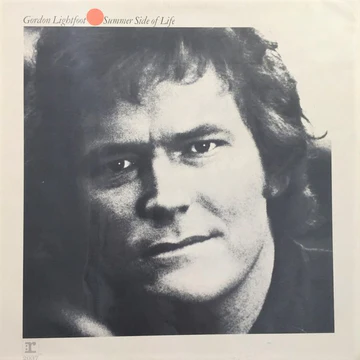

Gordon Lightfoot’s friendly folk sound grew even stronger on Summer Side of Life, an album that has him curling up with both his guitar and his kind, fragile voice. Even though the album that preceded it, 1970’s Sit Down Young Stranger, fared better on the charts, Summer Side of Life followed in its footsteps, proving that Lightfoot was going to be around for quite a while.
His approachable, confiding sound is best heard within the earnestness of the title track, and on the country bumpkin fritter of “Cotton Jenny,” a song later covered by fellow Canadian Anne Murray. Lightfoot’s singing rests lightly on his acoustic guitar, a trait that would become even more recognizable in his future work, but here it is found in tracks like “Same Old Loverman” and “Redwood Hill,” and in the vagabond feel of “Go My Way.” Not only do the songs begin to embrace his trademarked cottage country ambience on this album, but Lightfoot begins to reveal his love of Canadiana on tracks like “10 Degrees & Getting Colder,” “Love & Maple Syrup,” and “Nous Vivons Ensemble,” which translates into “we all live together.”
With Gordon Lightfoot’s honest, unhindered composure now becoming well-known in the U.S. and not just in Canada, Summer Side of Life helped strengthen his songwriting and refine his delicate vocal style, which, in turn, made 1972’s Old Dan’s Records and 1973’s Don Quixote two of his best albums.
AMG