Stone Age

These records are better suited to the stereos of the 60s and 70s. Any high quality modern system will reveal their manifest shortcomings, and if yours doesn’t, these are the records that are telling you that there’s plenty of work still left to do.

They should sound as wrong to you as they do to us.

Le Cid on Klavier – Now With Added Smile Curve

Presenting Yet Another Pressing Perfectly Suited to the Stereos of the Past

This hi-fi-ish Doug Sax/ Acoustic Sounds butchering of Fremaux’s performance from 1971 is insufferable. These Klavier pressings of EMI recordings are nothing but Audiophile Bullshit.

Can this possibly be the sound that EMI engineer Stuart Eltham was after?

Back in the day, audiophiles in droves bought this pressing from all the major mail order audiophile record dealers (you know who I’m talking about), apparently not noticing the overblown bass and spark-spark-sparkling top end. 

Perhaps the same audiophiles who think that Mobile Fidelity makes good sounding records? It would not surprise me. Same odd-tasting wine, different bottle.

The Smile Curve

If you’ve spent any time on this site, you should know by now that many audiophile records sound worse than the typical CD. The typical CD does not have an equalization curve resembling a smile. The classic smile curve starts up high on the left, gets low in the middle, and rises again at the end, resulting in boosted bass, boosted top end, and a sucked out midrange — the Mobile Fidelity formula in a nutshell.

If your system needs boosted bass and highs, perhaps because your speakers are too small, well, I suppose you could try this Klavier pressing.

Here’s a better idea.

Fix your f-ing stereo so you won’t need phony audiophile records like this one to make it sound good.

Either of the two records you see below will be dramatically better sounding than the Klavier Heavy Vinyl. The best pressings of this one win all the shootouts, but the Greensleeves Budget reissue pressing can also sound very good, with the better pressings earning a grade of 2+ or thereabouts.

(more…)

Sergio Mendes & Brasil ’66 – Another Spitty and Thin MoFi

Sonic Grade: D

An Audiophile Hall of Shame pressing and another MoFi LP reviewed and found wanting.

So spitty and thin! Why, in God’s name, why would you want to ruin such a wonderful recording?

When you have a recording that is already plenty bright, adding top end and taking out more lower midrange is the last thing in the world you should be doing. Since that was the standard operating procedure for MoFi and other Half-Speed mastering outfits around this time, that’s exactly the approach they ended up taking.

Those of you who have had the opportunity to play the Mobile Fidelity pressing of this record should know what a disaster it is.

Is brighter better? Apparently Mobile Fidelity thinks so. It sounds like a bad CD.

But it’s not a bad CD. It’s an expensive audiophile record!

If you’ve spent any time on this site, you should know by now that many audiophile records sound WORSE than the typical CD.

The typical CD does not have an equalization curve resembling a smile. The classic smile curve starts up high on the left, gets low in the middle, and rises again at the end, resulting in boosted bass, boosted top end, and a sucked out midrange — the Mobile Fidelity formula in a nutshell.

But they forgot to boost the bass on this album, so it’s closer to a half-smile I suppose.

More letters, reviews and commentaries for the debut album by Sergio Mendes and Brasil ’66

Back to the Stone Age with The Pines of Rome on Mobile Fidelity

Click Here to See Our Favorite Pines of Rome

An audiophile hall of shame pressing and another MoFi LP reviewed and found wanting.

MoFi’s version of this The Pines of Rome (#1-507) is one of the worst sounding classical records they ever made, and that’s saying something, because most of their classical catalog is awful.

Thin, bright, with sloppy bass and completely unnatural string tone — the MoFi makes the typical Classic Record sound good.

And that’s REALLY saying something.

The UHQR is somewhat better, especially in the lower octaves, but it’s maybe a D+ or C-, not a Better Record by any means.

How dull and opaque does a stereo have to be to make this record listenable?

The answer is VERY dull and VERY opaque.

Stone Age audio systems are the only ones that can play junk like this and get away with it.       

(more…)

MoFi Thought the Guitars on Sundown Could Use More “Sparkle”

Another Record Better Suited to the Stereos of the Seventies

Sonic Grade: F

An audiophile hall of shame pressing and another MoFi LP reviewed and found wanting.

I comment below about the ridiculous sound of the MoFi pressing of this album.

When you have a recording that is already plenty bright, adding more top end and taking out more lower midrange is the last thing in the world you should be doing.

Since that is standard operating procedure for MoFi (as well as most other Half-Speed mastering outfits), that’s exactly the approach they ended up taking.

Those of you who have had the opportunity to play the Mobile Fidelity pressing of this record should know what a disaster it is.

His voice sounds so phony on the MoFi that you’d swear it’s a bad CD.

But it’s not a bad CD. It’s an expensive audiophile record!

If you’ve spent any time on this blog, you should know by now that many audiophile records sound WORSE than the typical CD.

The typical CD does not have an equalization curve resembling a smile. The classic smile curve starts up high on the left, gets low in the middle, and rises again at the end, resulting in boosted bass, boosted top end, and a sucked out midrange — the Mobile Fidelity formula in a nutshell. (more…)

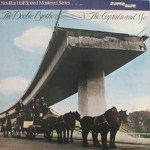
The Captain and Me – A Nautilus Disaster

Hot Stamper Pressing of the Music of The Doobie Brothers Available Now

We actually recommended the Nautilus Half-Speed in the old days, but the last time we played one (2012 maybe?) the sound was Pure Audiophile BS — compressed to death and totally whomp-free.

The average domestic copy is terrible too, but that’s no reason to recommend this crappy remaster.

Stick to the green label originals.  They can rock with the best of them.

(more…)

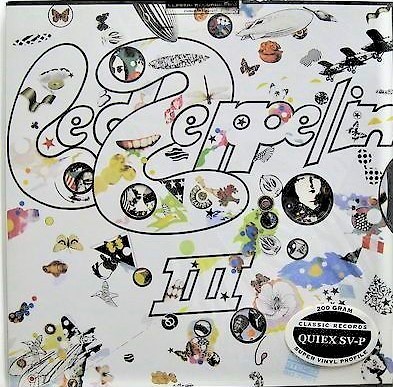
Another Bright and Harsh Led Zeppelin Title from Classic Records

Hot Stamper Pressings of the Music of Led Zeppelin Available Now

Ridiculously bright and harsh, sounding nothing like the good pressings we sell.

We are proud to say this was one of the Classic Records Led Zeppelin releases that we never carried back when we were selling Heavy Vinyl (along with II and Houses, both of which stink to high heaven).

You will find very few critics of the Classic Zep LPs outside of those who work for Better Records, and even we used to recommend three of the Zep titles on Classic: Led Zeppelin I, IV and Presence.

Wrong on all counts. Live and learn, right?

Since then, we’ve made it a point to create debunking commentaries for some of the Classic Zeps, a public service of Better Records. We don’t actually like any of them now, although the first album is by far the best of the bunch.

Is this pressing of III the worst version of the album ever made?

There may be too much competition to make that claim – in our experience, most pressings of Zep records tend to be poorly mastered, barely hinting at how well recorded their albums really are — but it is certainly a record no audiophile should want anything to do with.

Here are a few commentaries you may care to read about Bernie Grundman‘s work as a mastering engineer, good and bad.

Is Damn The Torpedoes on MCA Audiophile LP Bright Enough For You?

On this pressing it sure is. If your stereo is dull, dull, deadly dull, this company’s remastering approach, like many of the CBS Half-Speeds, will fix your lack of high end.

A perfect example of Stone Age Audio Thinking – a bright record to fix a dark system.

The only problem is, what happens when you put together a better system, one that’s tonally correct?

Then you will have to get rid of your old record collection and start over, right?

So get your stereo right before you go wasting lots of money on phony sounding records.

And most of the Heavy Vinyl pressings being made today are every bit as bad, but the tonality mistakes are simply reversed. The bass is boosted and the top is too smooth.

Why can’t these ridiculous audiophile labels make up their minds? Should records be bright or dull? Pick a lane!

Tune your system to that crap and you will find yourself in the real predicament down the road, assuming you ever get your stereo working right. Having a collection full of modern remasterings will make any progress in audio that much more difficult to achieve.

Or you could just buy one of these to play your bright records. Problem solved.

(more…)

MoFi Thought This Recording Needed More “Sparkle”

More of the Music of Emmylou Harris

An Audiophile Hall of Shame pressing and another MoFi LP reviewed and found wanting.

When you have a recording that is already plenty bright, adding more top end and taking out more lower midrange is the last thing in the world you should be doing.

Since that is standard operating procedure for MoFi (and other Half-Speed mastering outfits), that’s exactly the approach they ended up taking.

The sound that Emmylou and her producers were going for here is clean, detailed and low distortion, which is what the best pressings, the “hottest stampers,” deliver.

Those of you who have had the opportunity to play the Mobile Fidelity pressing of this record should know what a disaster it is.

Is brighter better? Apparently Mobile Fidelity thinks so. And they did the same thing to Gordon Lightfoot’s album. His voice sounds so phony on the MoFi that you’d swear it’s a bad CD.

But it’s not a bad CD. It’s an expensive audiophile record!

If you’ve spent any time on this blog, you should know by now that many audiophile records sound WORSE than the typical CD.

The typical CD does not have an equalization curve resembling a smile. The classic smile curve starts up high on the left, gets low in the middle, and rises again at the end, resulting in boosted bass, boosted top end, and a sucked out midrange — the Mobile Fidelity formula in a nutshell.

(more…)

A Reviewer Liked this London a Whole Lot More Than I Did – A Cautionary Tale

Hot Stamper Orchestral Imports on Decca & London

While digging around the web I ran into a site called From Miles to Mozart, which purports to be “An exploration of the incredible world of classical and jazz recordings”

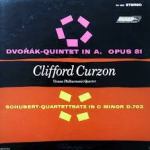
Fair enough. Here is what the reviewer had to say about a London we did not think sounded very good, CS 6357. At the time, he was most of the way through a fairly complete survey of London Bluebacks, and when those were done he went on to review a Whiteback pressing of this London, which appears to be the only pressing he had on hand. (We of course had only the one as well.)

I’d run out of blue so next up was CS 6357 with its retro FFSS label, a white back FFSS. Clifford Curzon scores a knockout with the Dvorak Quintet with a very refined late Blueback sound; truly transcendental sound of the highest order. Another white back FFSS followed in CS 6379 Mozart Clarinet Quintet with a magical clarinet but some edginess at times with some of the instruments. Overall the Clarinet Quintet had very strong sound to rival most any Blueback. Unfortunately, the Mozart Divertimenti on side 2 was not as assured with quite a few signs of strain in the highs indicative some early transistor changing the precious Blueback sound. CS 6379 was recorded by Smith and Parry October, 1963 at Sofiensaal, Vienna with the LP coming out in May of 1964. CS 6357 was recorded in Sofiensaal, Vienna by Culshaw and Parry in October 1962 with the LP in October 1963. Overall two strong LP’s without a Blueback! (Well, CS 6357 does exist with a Blueback.)

He has some ideas about “precious Blueback sound” and the half-speed mastering setup used to achieve them. I will leave that for others to discuss, mostly because I could not seriously entertain this fellow’s writing once I found out what he had to say about one of Mobile Fidelity’s earliest half-speed mastered releases:

Zubin Mehta Conducts Music from Star Wars and Close Encounters of the Third Kind (MFSL 1-008)

Comments: If you want to hear what audiophile vinyl sounds like, this is a great way to start. Whether you like science fiction movies or not, this record is a must hear … and try to turn up the volume if you can. This Mobile Fidelity Sound Lab pressing of Decca SXL 6885 (London ZM 1001) is one of the most incredible sounding orchestral recordings I have ever heard. It may not be the recording used for the movies (John Williams conducted those himself), but it sounds significantly better in terms of recording quality. Talk about lifelike presence, huge dynamic range, bass depth with real visceral impact — this record has DEMONSTRATION written all over it. Even the Cantina Band track gives you the impression of an alien jazz/pop band playing right before you. I was fortunate enough to get my copy for free from a friend, and only recently did I realize that this album sells for some money. Looking for a change from the same old EMI, Decca, RCA, Mercury, DG, or Philips? Try this one.

If this is your idea of an audiophile Demo Disc, you are setting the bar awfully low, about even with the height of the carpeting.

I consider it a piece of mid-fi audiophile trash, one that I never bothered to discuss on the blog.

Were I to grade it today I would probably give it a D for sound and an F for music. I remember playing it back in the late-70 or early-80s and wondering what on earth was the appeal of such a cheesy, lowest-common-denominator schlockfest.

If this London LP isn’t the perfect example of a pass/not-yet record, I can’t imagine what would be.

We Know the Record Well

Years ago I did a little shootout with a few of the early London pressings of the album — which were also mastered by Stan Ricker, not sure if many of you out there knew that — as well as some later pressings not cut by SR, and of course the MoFi.

The MoFi was clearly better than any of the three regular London pressings, as they were just not very good sounding at all, suffering from a problem which makes most later Londons hard to enjoy. That problem is opacity.

For classical and orchestral music, it’s the kiss of death.  It is also one of the main reasons we like so few orchestral recordings pressed on Heavy Vinyl. Most of them badly lack transparency, a sonic issue we wrote about more than a decade ago.

(more…)

Abandoned Luncheonette – More Stone Age Audio EQ from MoFi

Hot Stamper Pressings of the Music of Hall and Oates Available Now

Those of you who have had the misfortune to play the MoFi LP know that they absolutely ruined this album. They boosted the hell out of the top end, the last thing in the world this recording needed. 

Actually, that’s probably not true. People who collect MoFi records apparently like the kind of phony sound found on the MoFi of this title and hundreds of others. If they didn’t, why would they keep buying them?

To the extent that a MoFi collector is not happy with the sound, my guess is he would more than likely place the blame on the recording, not the mastering.

Of course, since such a collector would never lower himself to buy a standard domestic copy of the record, he would have no way of knowing that it trounces his so-called audiophile pressing. If your stereo likes that MoFi sound in this day and age, you shouldn’t be buying records. You should be buying new equipment, which hopefully will allow you to recognize bad records when you play them.

(more…)